MEGACUBE 2.0’s evolution: Godot and Unity gameplay and loading scenes, Unreal images, and Neo’s journey from 2D to a new 3D model based on the creator’s reference.
MEGACUBE 2.0 / GODOT → UNITY → UNREAL
Project evolution
Three engines, one MEGACUBE 2.0 development journey. Archive images show how the game, interface and visual language evolved.
01 / 10 Feb–18 Jun 2026 / earliest saved stages
Godot
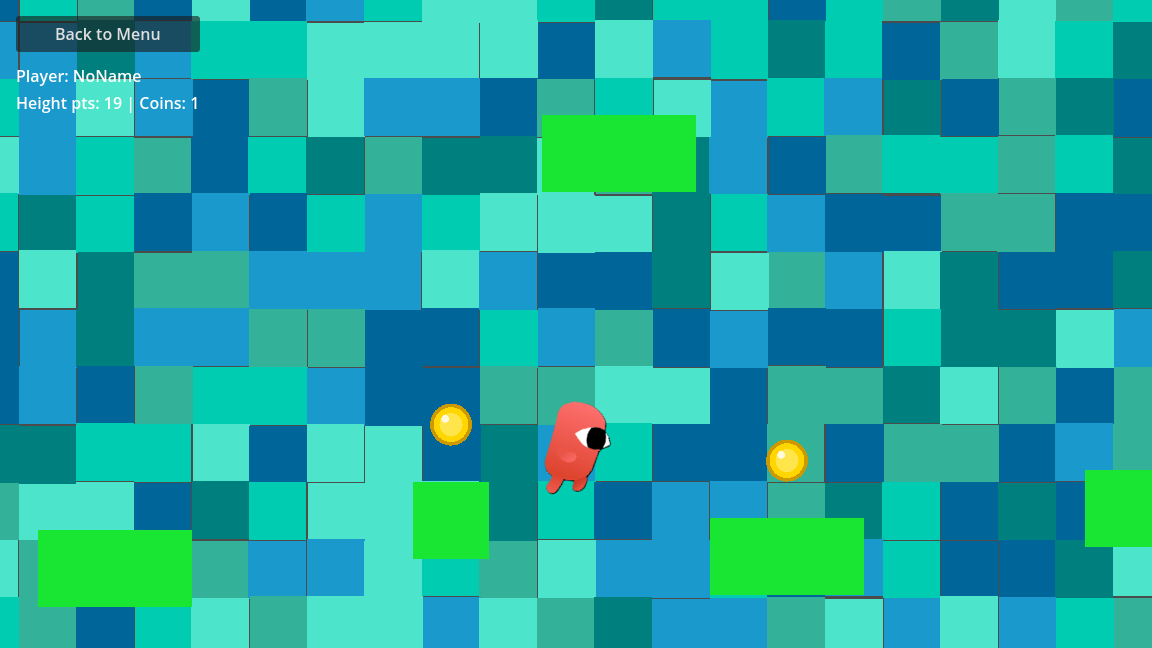
Godot established a working 2D foundation: a character, platforms, coins, movement and UI. This is a real level frame from the archive audit of 30 June 2026. Stage dates come from Git, not the image date.
Godot / Gameplay sceneGodot / Loading screen
02 / 19 Jun–16 Sep 2026 / at least 89 days in Git
Unity
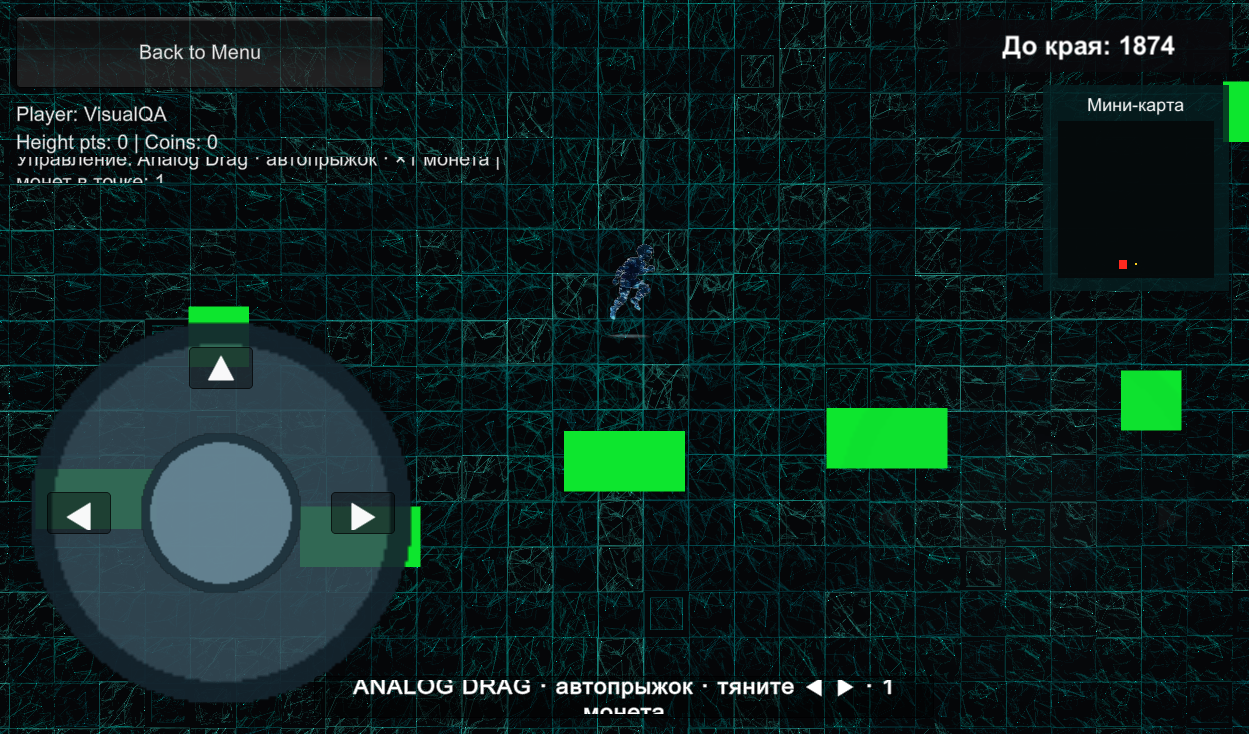
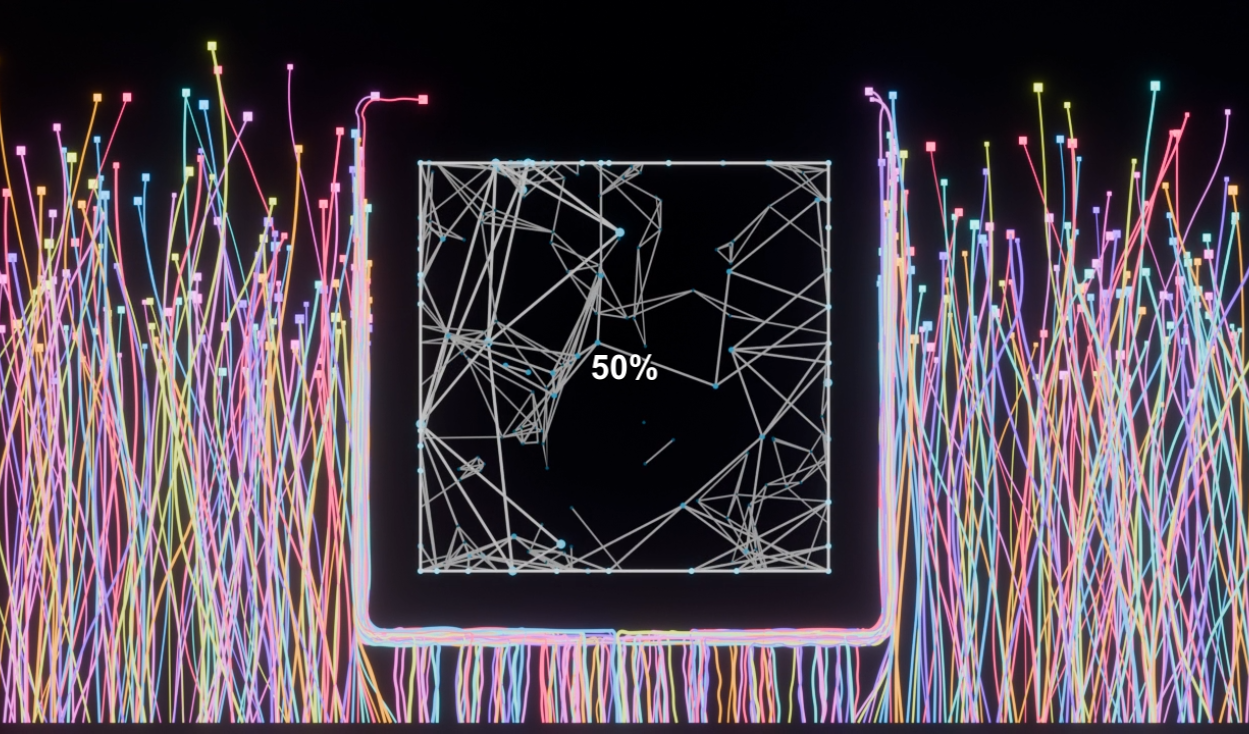
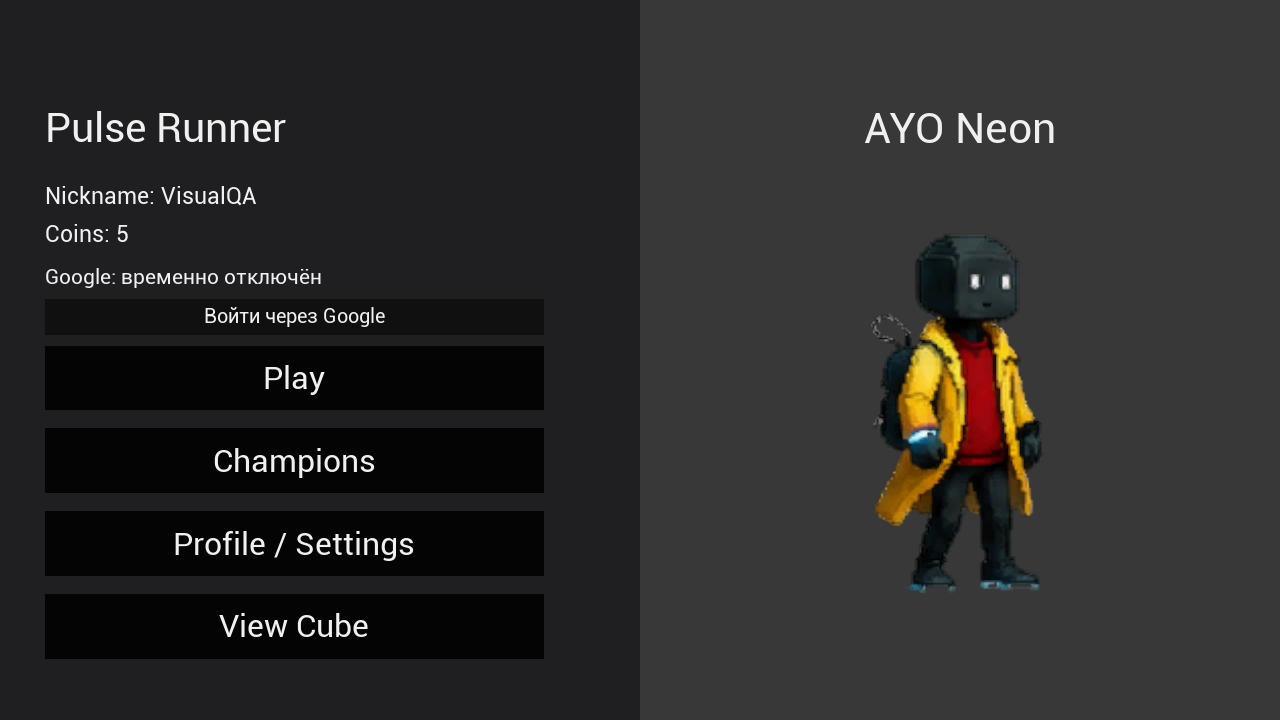
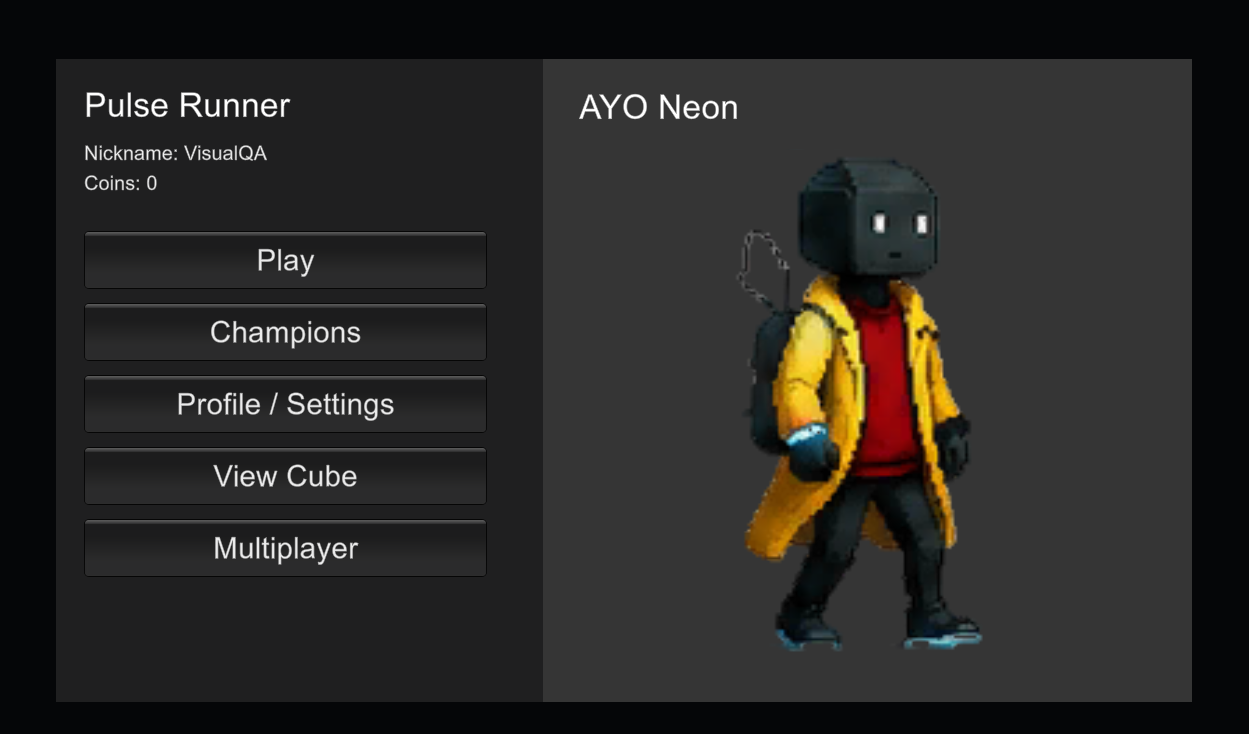
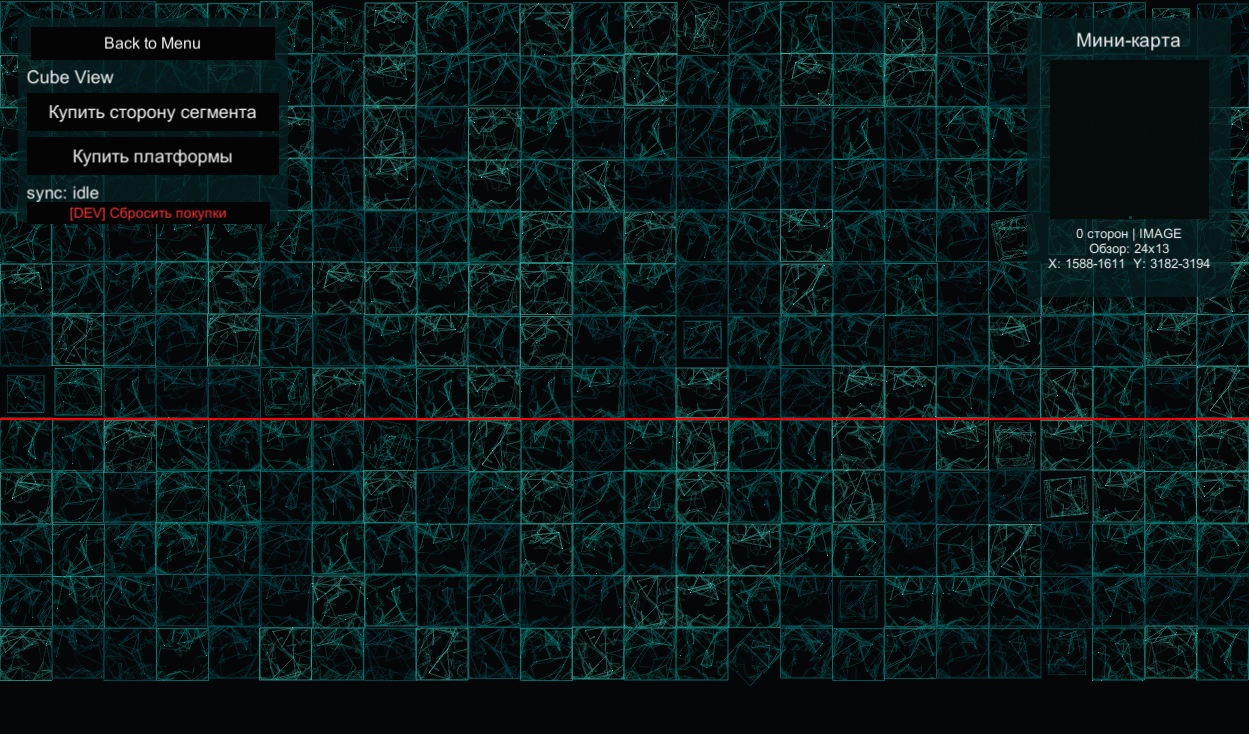
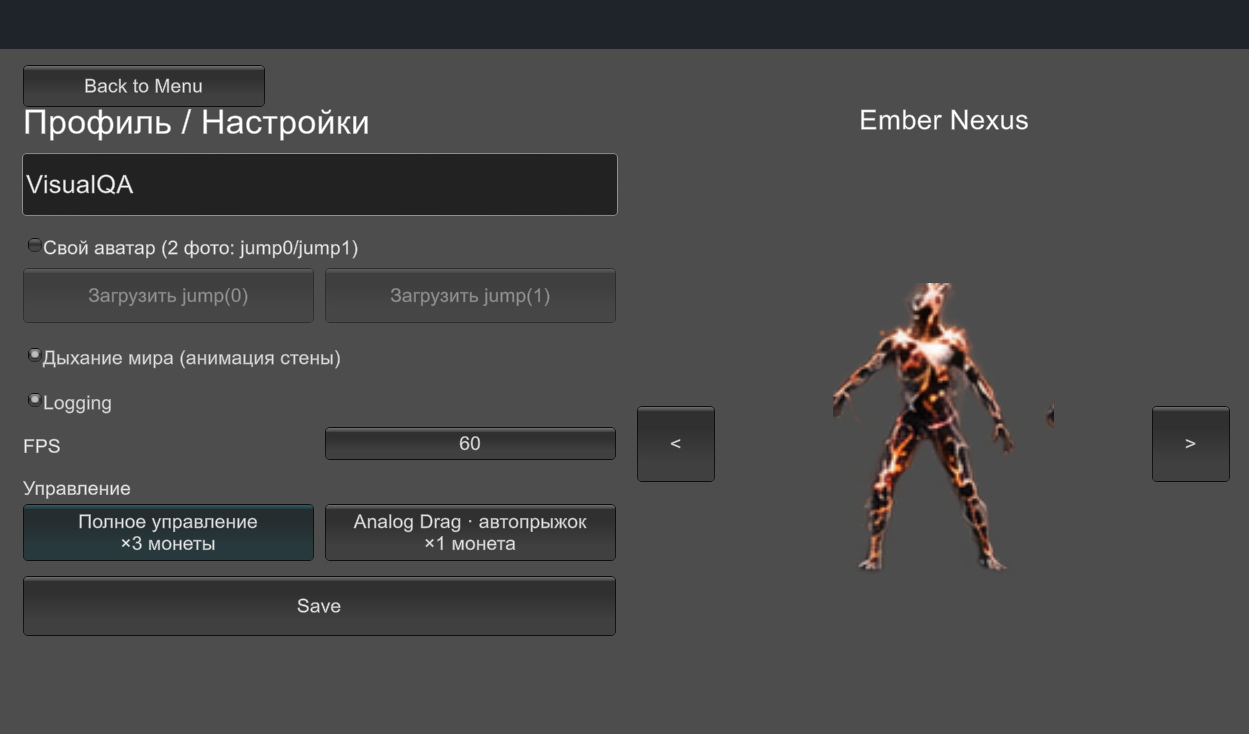
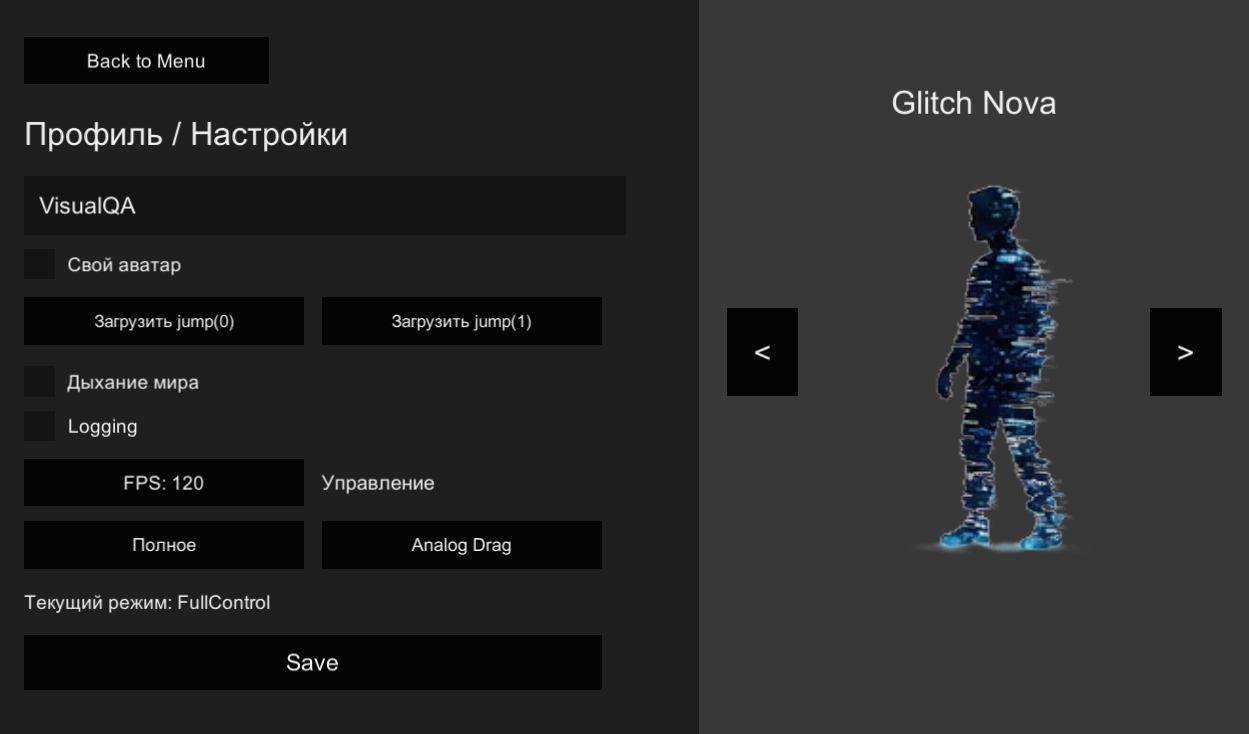
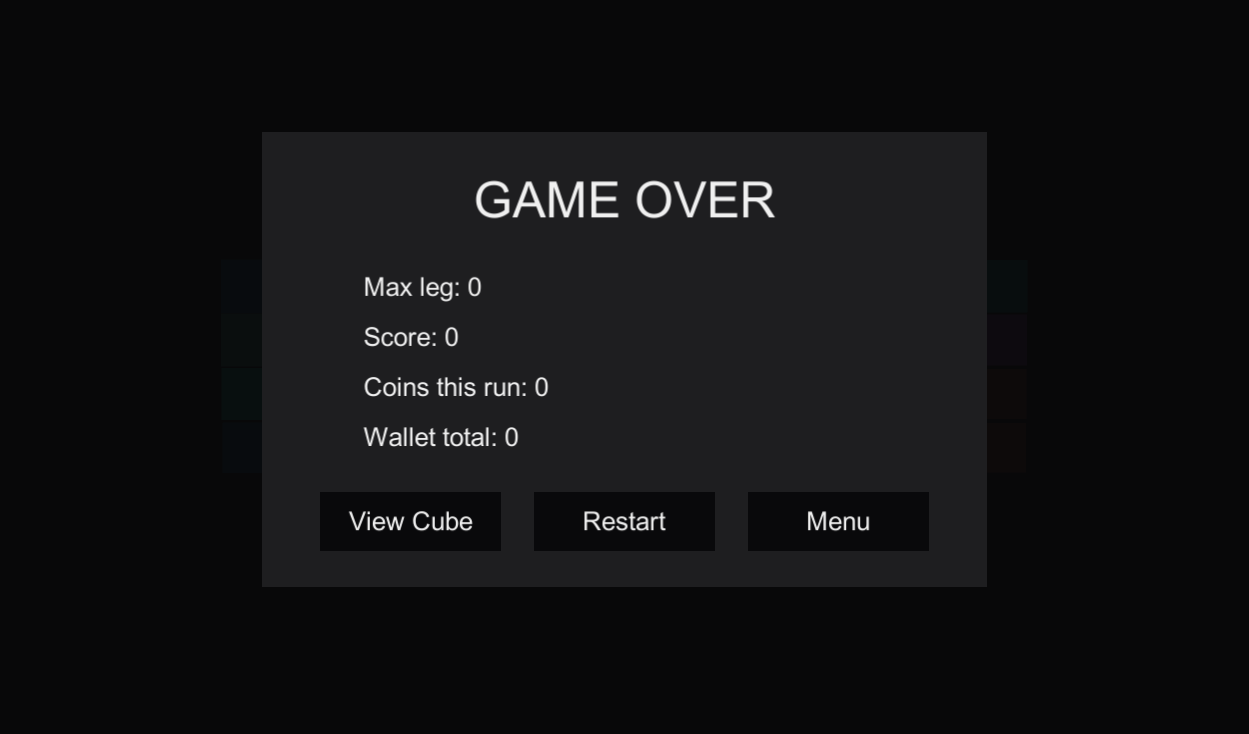
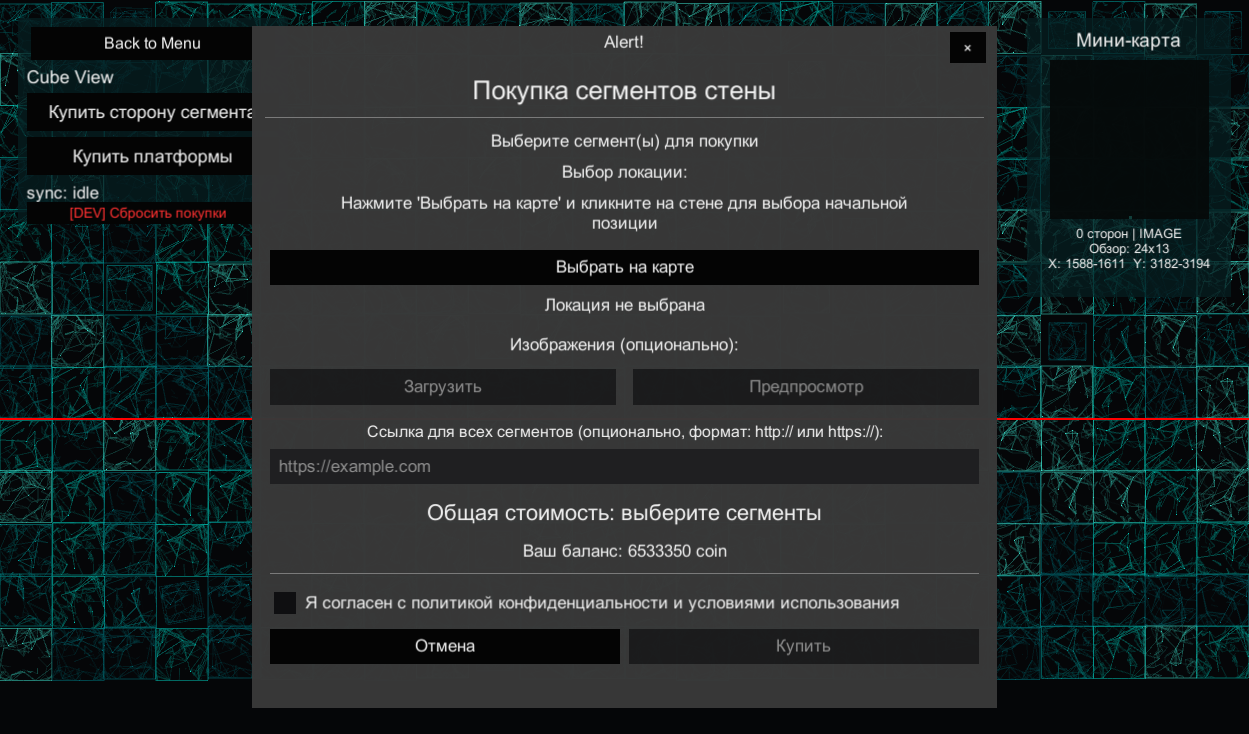
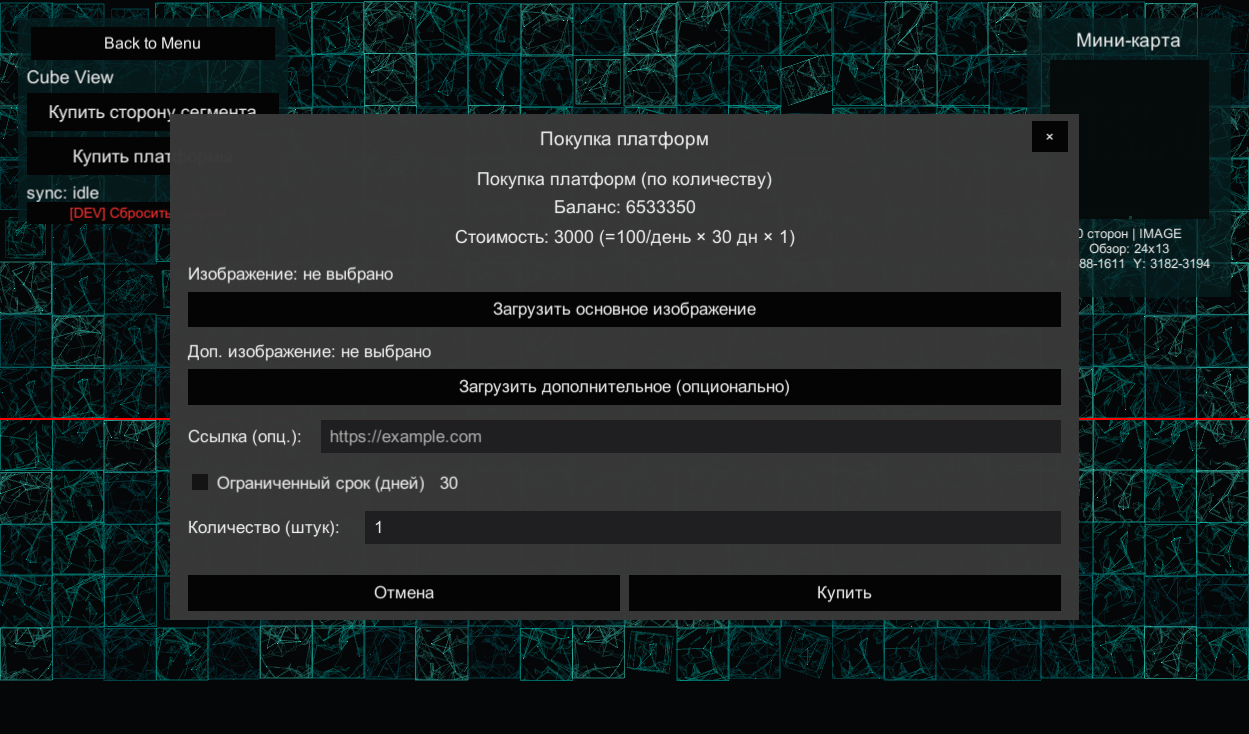
Unity was the next stage, expanding menus, character profiles and the segmented world. There are 89 days between the first and latest available commits; this is a documented interval, not the exact duration of all work. The gameplay and loading images are from the Unity validation archive dated 25 September 2026.
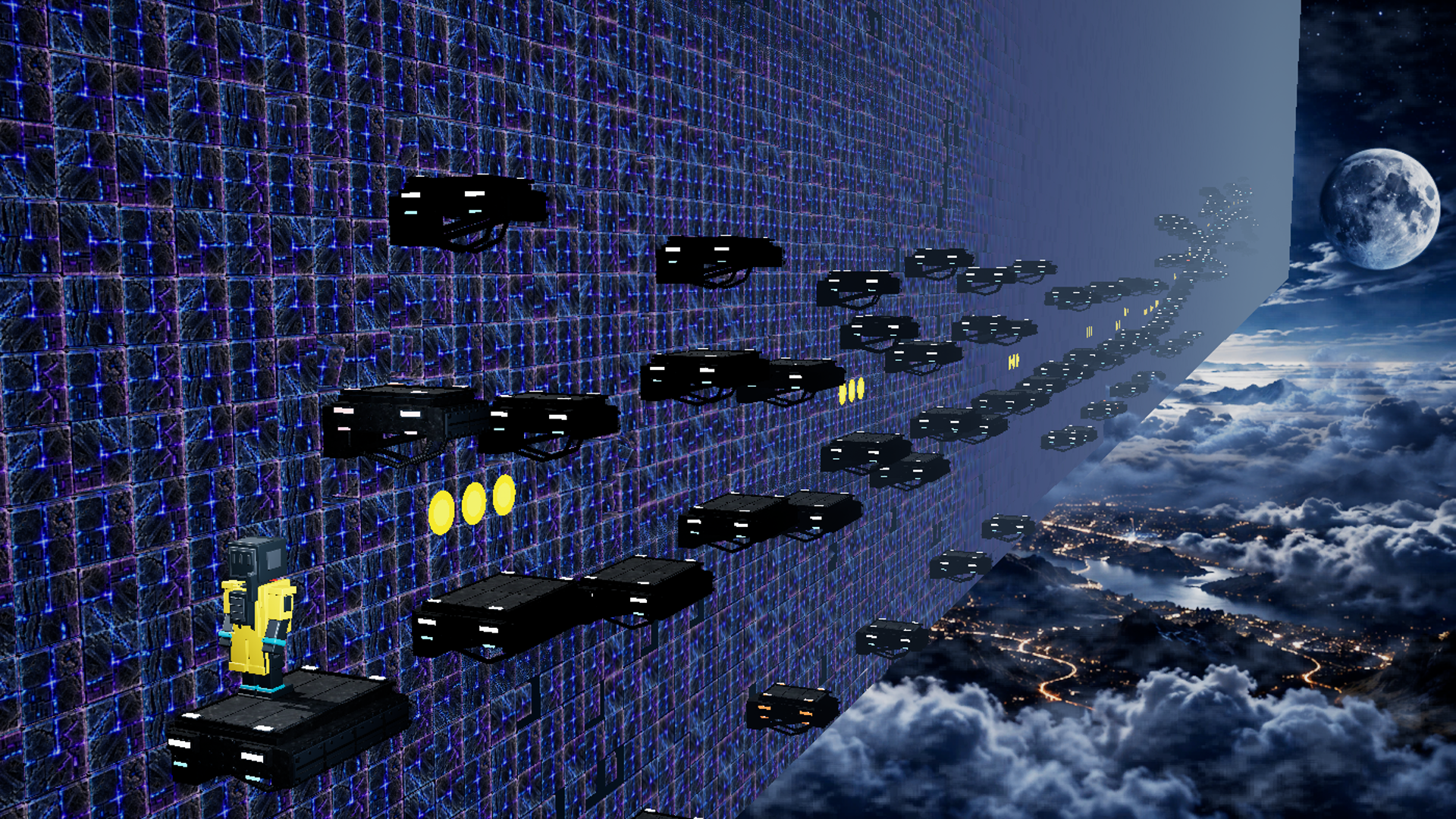
Unreal continues the migration into a three-dimensional scene: the segment wall, route and 3D character. Shown are the main screen from 5 October and a gameplay frame from 3 October 2026. These are early working scenes, not evidence of a finished game.
Unreal main screen / 5 Oct 2026Unreal gameplay scene / 3 Oct 2026
An archived Unreal loading frame has not been found yet.
MEGACUBE 2.0 / NEO
Neo: from 2D to 3D
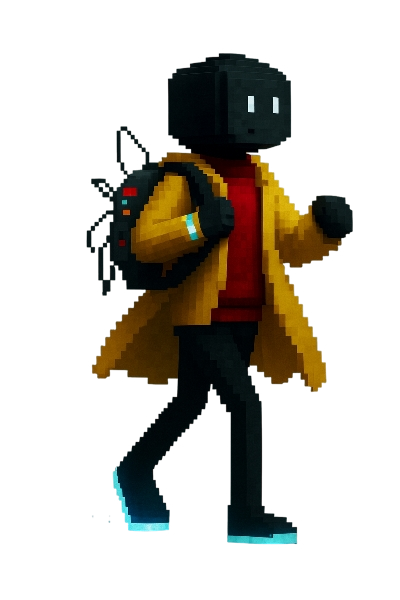
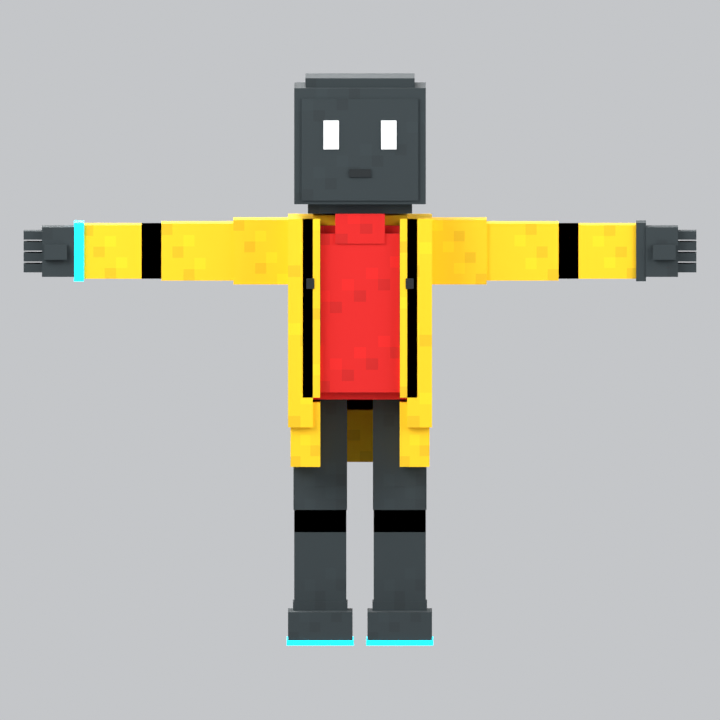
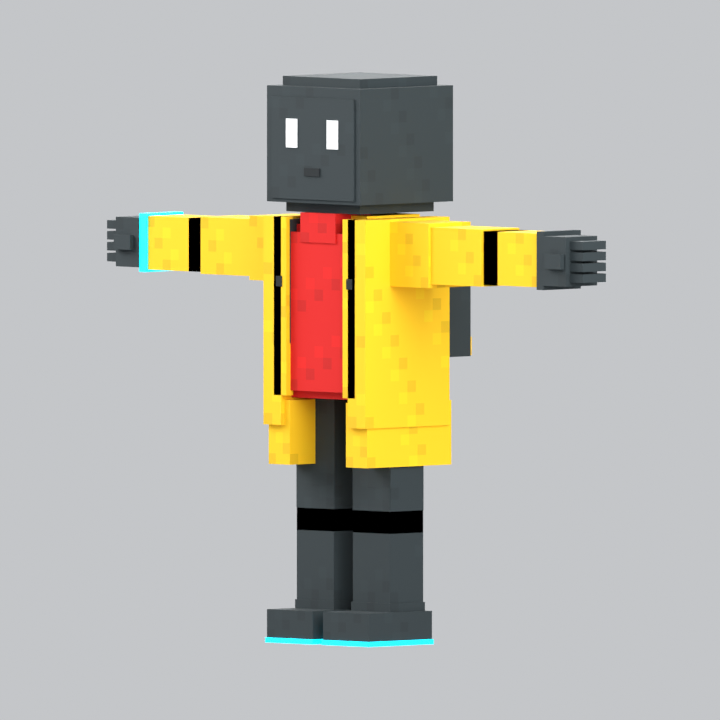
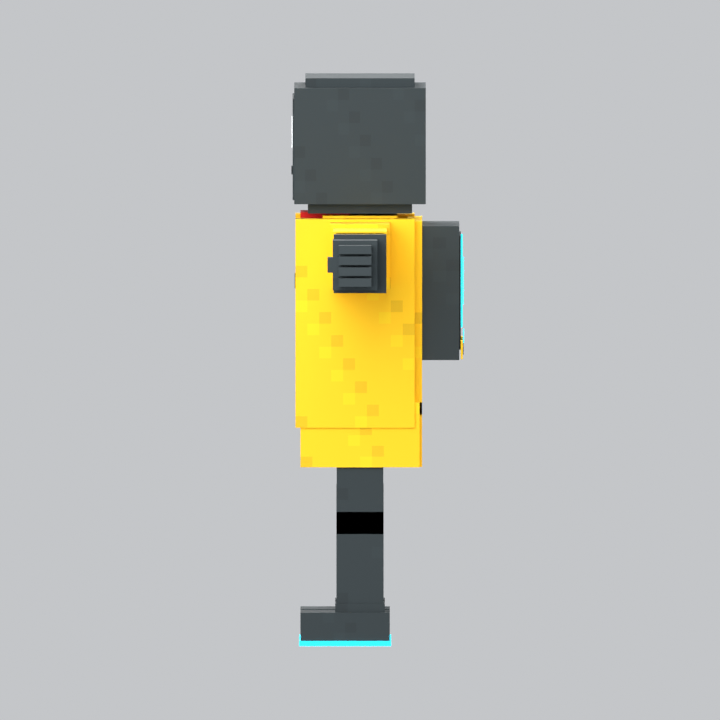
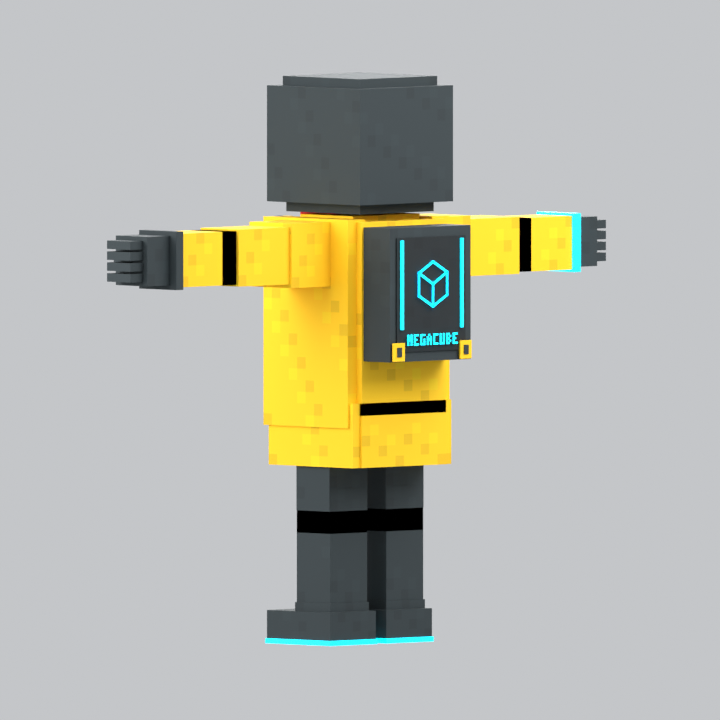
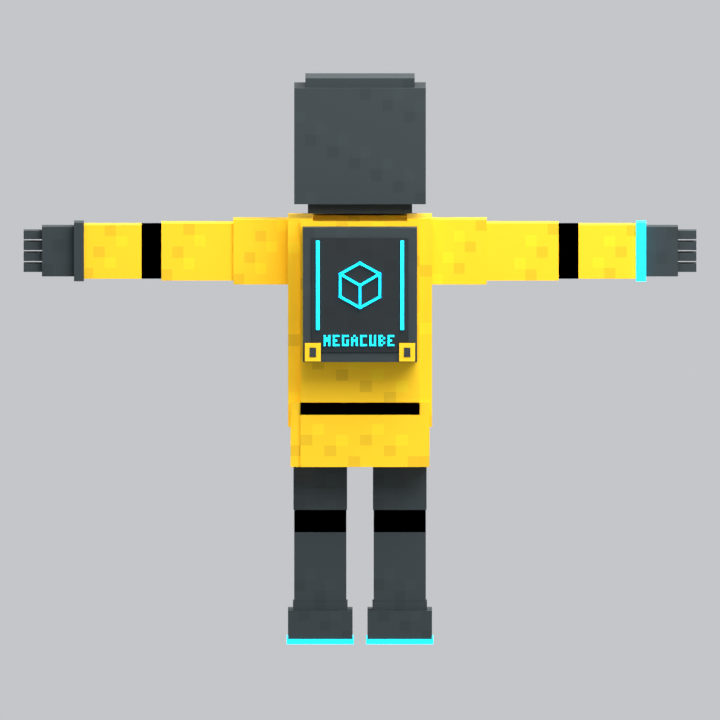
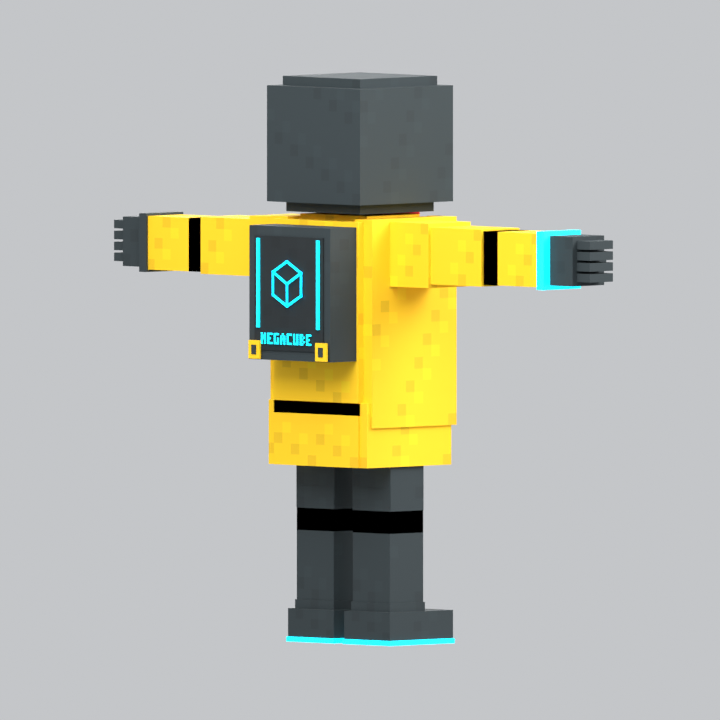
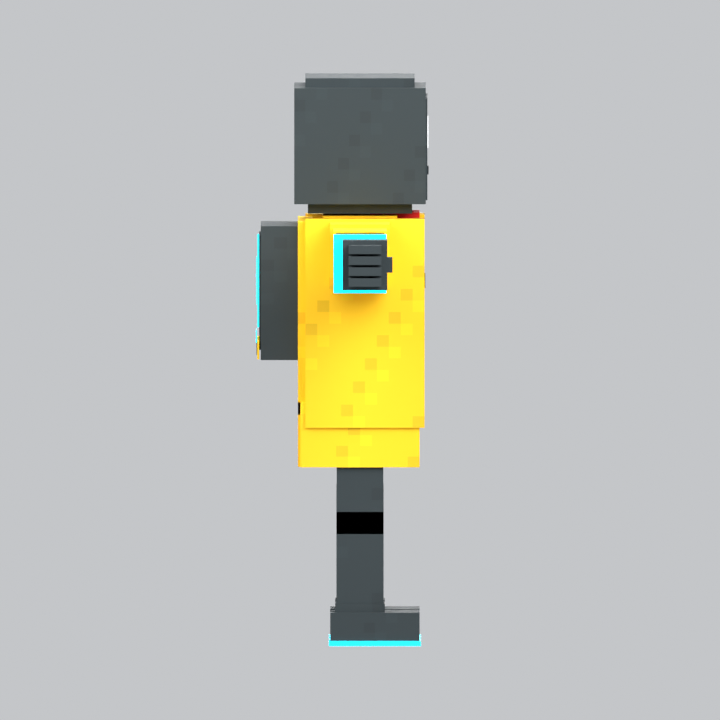
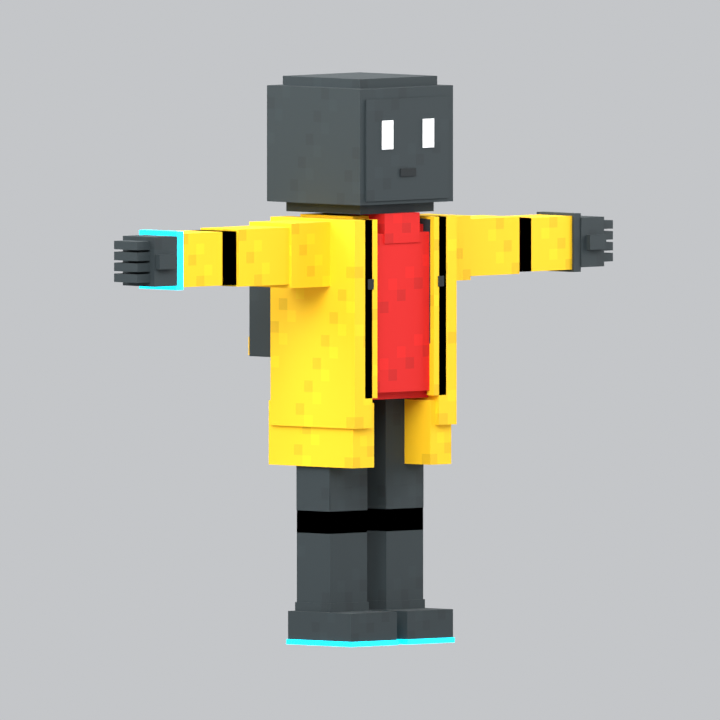
Neo is the MEGACUBE 2.0 character formerly known as AYO Neon. The cubic head, yellow coat, red shirt and backpack with cyan lights carry through from 2D to 3D.
01 / Godot / 2D image02 / Unity / menu character
Neo in 3D
Eight views of the new model built from the creator’s reference. Blender renders; the movements are still being refined.
Numbers, links and balances shown in these interface screenshots are test data; they are not an offer to make a purchase.
CUBE VIEW / HOW IT WORKS
Select. Purchase. Rotate.
The Unity test interface showed the selection of a segment face address. The proposed Named Segment reward is a commemorative digital panel, not ownership of the world.
The interface comes from Unity and the rotation from a Blender technical render. This is an illustrative edit, not a recording of a completed purchase.